Fishing Contest Guide
Use the full guide for event route planning and reward timing.
Event database
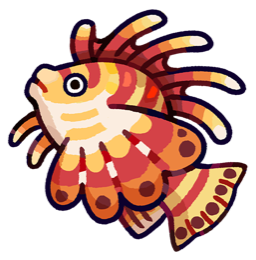
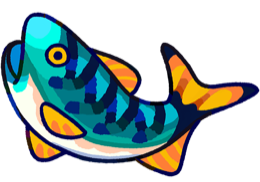
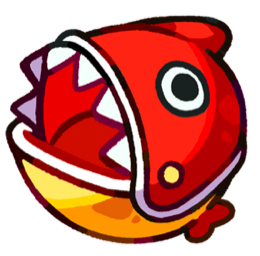
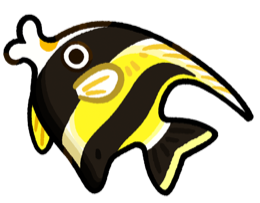
Identify fish, compare collection priorities, and decide when the Fishing Contest is worth more attempts or when to save resources.
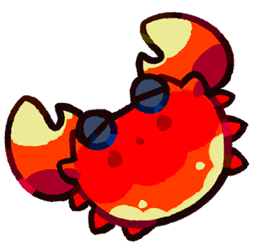
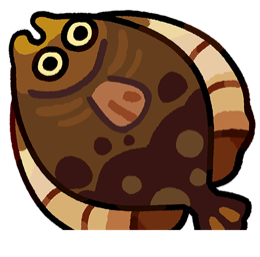
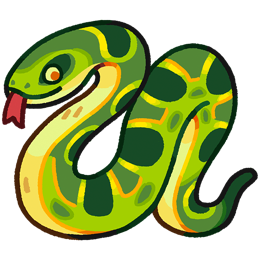
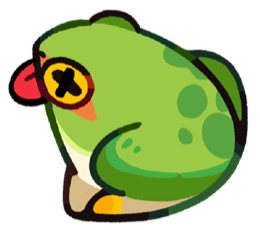
The Clash of Critters Fishing Contest is a collection-style event where the strongest page is not a generic paragraph; players need fish names, fish visuals, reward planning, and a clear way to decide what to chase next. This hub is built to work like a reference sheet. Use the gallery to identify fish, use the data table to understand the role of each fish group, then use the decision table to decide whether the event is worth more attempts today.
Fishing Contest decisions are easy to overthink because every new fish feels like progress. The better approach is to define a target before spending. If a fish completes a milestone, unlocks a reward row, or helps you reach a limited-time goal, it is worth more attention. If it only adds a small collection number while your team still needs Candy, evolution, or a stronger carry, pause and route back to the tier list or best team guide.
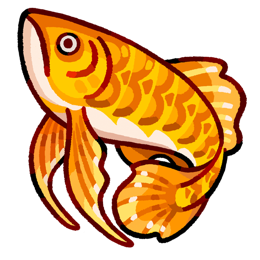
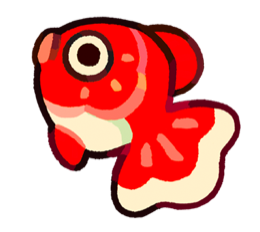
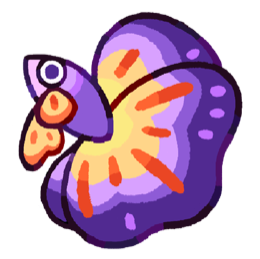
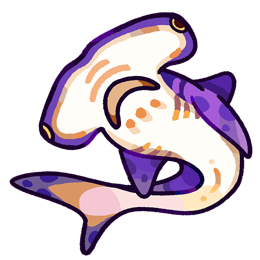
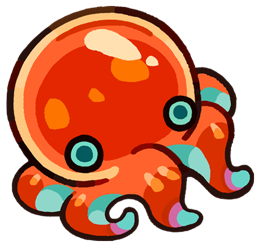
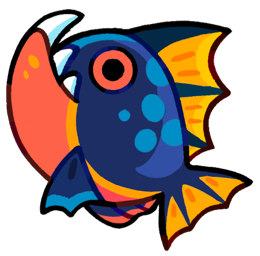
Fish gallery
Local fish thumbnails make this page behave like a real event database instead of a thin guide note.
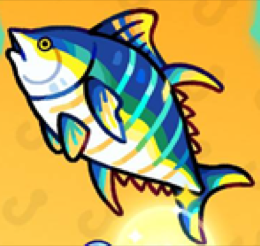


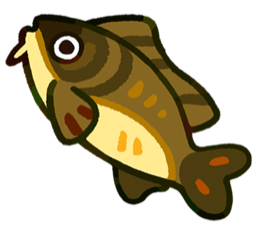
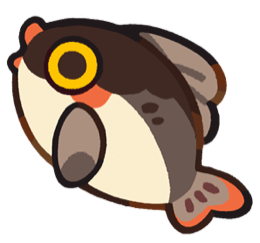


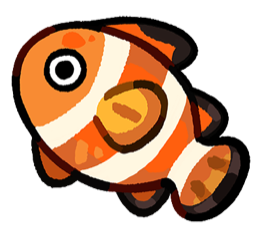


Database
Use the table as a planning layer after identifying a fish in the gallery.
| Fish group | Examples | Best use | Priority | Planning note |
|---|---|---|---|---|
| Common catches | Bass, Carp, Bream, Sardine | Fill early collection slots and build toward first reward checks. | Baseline | Do not spend premium resources just to force common catches. |
| Rare-looking fish | Gold Arowana, Silver Arowana, Whaleshark | Check whether the fish completes a milestone or reward row. | High when close | A rare fish is only a priority if it unlocks something useful before reset. |
| Predator fish | Hammerhead, Alligator, Pike, Piranha | Good visual anchors for higher-pressure event rows. | Medium to high | Use these names to verify the target row before spending more attempts. |
| Novelty fish | Mutantfish, Magnetfish, Zobaro, Canned Herring | Useful for identifying special slots that players may misread. | Situational | Track screenshots or notes if you are missing one unusual slot. |
| Small aquatic catches | Guppy, Goldfish, Clownfish, Shrimp | Often help with broad completion rather than a single big reward. | Low to medium | Finish them naturally unless a specific reward is one card away. |
Start by counting how many fish are missing from the reward path you actually care about. If the target requires many unknown catches, set a conservative stop point. If the target needs one or two identifiable fish, use the gallery and table to focus your attempts. This prevents the common mistake of treating every fish as equally important.
The event also connects back to normal progression. A reward that helps your best carry, improves survival, or accelerates evolution is more valuable than a cosmetic completion moment. When a reward does not change your next stage, save resources and use the Fishing Contest guide, tier list, and best team guide together before committing.
Decision aid
| Situation | What it means | Best action | Related page |
|---|---|---|---|
| One fish completes a reward row | The event goal is close enough to focus. | Spend only until that reward is resolved. | Fishing guide |
| Many fish are missing | The goal is broad and resource risk is higher. | Set a stop point and keep team upgrades first. | Best Team |
| You cannot identify a fish | Visual confusion can waste attempts. | Compare the fish gallery before deciding. | FAQ |
| The reward does not help your team | Completion may feel good but not move progress. | Save resources for feeding or evolution. | Feeding guide |
Think of the Fishing Contest as three overlapping categories: identification, reward value, and attempt control. Identification comes from the fish gallery. Reward value comes from the row or milestone the fish helps complete. Attempt control is the decision to stop before a chase becomes more expensive than the reward.
The most useful related terms for this page are fish gallery, fish priority, Fishing Contest rewards, event attempts, collection milestones, rare fish, and F2P stop point. Those terms matter because players are usually not just asking what a fish is called. They are asking whether the catch changes their next action. If the answer is no, the best event move is often patience.
When this page is refreshed later, new fish should be added with a thumbnail, descriptive alt text, a row in the planning table when the fish changes strategy, and a related guide link if the change affects teams or rewards. That keeps the page database-like instead of turning it into a list of pictures. It also makes future updates easier because each new catch has a clear slot, a clear reason, and a clear next step for players comparing rewards.
FAQ
The Clash of Critters Fishing Contest is an event built around collecting fish, reading fish rarity, and deciding whether to spend attempts for rewards or stop after a safe milestone.
Track the fish that complete a reward row or unlock the next milestone first. Rare-looking fish are useful, but finishing a near-complete goal usually matters more.
Use a stable team before chasing event-specific optimization. If your normal team cannot clear required fights, fix carry, survival, and control roles before spending more attempts.
F2P players should set a reward target early, use duplicate and event currency carefully, and avoid spending resources on a fish goal that does not improve the active account.
Use the fish gallery to confirm names and visual matches first, then use the priority table to decide whether the fish affects a reward row, milestone, or stop point.
Stop when the next reward requires too many unknown fish, when the reward does not improve your current team, or when resources would be better spent on feeding, evolution, or event preparation.