Active team value comes
Active team value comes first.
Progression guide
Evolution feels powerful, but evolving the wrong unit can lock resources into a low-impact path.
Evolve the Critter that already changes your main fights. Do not evolve a bench unit because it looks rare; evolve when the unit has role value, team fit, and enough use cases.
This page follows the wiki guide format: answer the player problem first, show the relevant visual reference, explain the common mistake, then turn the advice into a repeatable decision table. Use it with the linked pages instead of treating one guide as a standalone rule.
Visual reference
The guide cover gives this page the same visual signal players expect from the competitor guide library, while the sections below provide the actual decision logic.
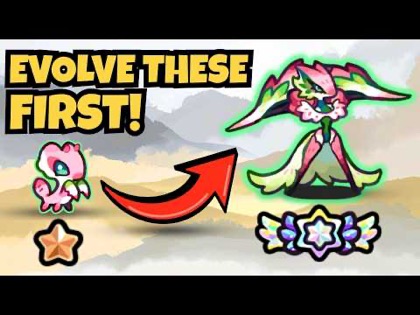
Start with the situation you can observe in game, then match it to the table below. This keeps the guide practical because a Clash of Critters problem is usually not solved by copying one sentence from a page. You need to know whether the blocker is damage, survival, control, event timing, collection pressure, or resource timing. Once the blocker is named, the right next page becomes obvious.
Use the visual reference as an orientation point, then use the decision framework as the actual action layer. If the page is about an event, decide the reward target before spending. If it is about progression, decide which unit or role changes the next fight. If it is about a system such as elements, roles, Dojo, or Card Album, do not isolate that system from the rest of the account. The professional workflow is: identify the problem, choose the next action, retry once, and only then spend more.
The biggest evolution mistake is evolving for collection value instead of active progress. A rare unit on the bench does not clear a stage or event by itself.
The fix is to name the exact blocker before spending. If the blocker is damage, invest in damage. If the blocker is early collapse, stabilize the team. If the blocker is reward timing, compare the event value before committing more resources.
The safest priority order is to protect permanent progress first, then chase temporary rewards only when they are close enough to matter. In practice, this means your main team, core roles, and current stage wall should stay ahead of collection pressure. Events and side systems become excellent when they give a near-term reward that improves the same team you already use.
After reading this page, do not make five changes at once. Pick the row that describes your current situation, follow the action, and test the result. If the result improves, continue in that direction. If the result does not improve, return to the related page and diagnose the next likely blocker. This is the repeatable pattern behind the guide system: every page should help the player make one cleaner decision, not create ten new tabs with no priority. Keep a short note of what changed so future retries become easier to interpret and compare with later updates too.
Priorities
Active team value comes first.
Role fit must be clear before evolution.
Food and star investment should support the same unit.
Evolution is strongest when it solves a known blocker.
Decision framework
Use this table when the page creates a real choice instead of a simple lookup.
| Situation | What it means | Best action | Next page |
|---|---|---|---|
| Carry clears most content | Good evolution candidate | Evolve if resources are ready | Open guide |
| Unit is unused | Collection trap | Delay evolution | Open guide |
| Team dies early | Evolution may not solve role gap | Fix survival or control first | Open guide |
| Event reward needs one unit | Temporary use case | Evolve only if reward justifies cost | Open guide |
Checklist
Confirm the unit is in your active team.
Check whether evolution solves a real blocker.
Avoid evolving just because a unit is rare.
Pair evolution with feeding and role fit.
FAQ
Evolve when the unit is active, useful, and solves a current blocker.
Usually the main carry or a core role unit that appears in many fights.
Not unless they have a clear team role and immediate use case.
Feeding and evolution should usually support the same core unit.